Engagement
Beteiligen Sie sich, indem Sie Ihre Ideen, Erfahrungen und Ihre Neugierde einbringen! Science Comes to Town lädt Sie ein, sich auf verschiedene Weise zu beteiligen.
- Co-Creation
- Arbeiten Sie bei Co-Creation von Anfang an mit, indem Sie Projekte aktiv gestalten und gemeinsam mit Forschern Lösungen entwickeln.
- Joint Citizen
- Science Engagieren Sie sich bei Joint Citizen Science, wo Sie erforschen, beobachten, experimentieren und Ihre Erkenntnisse zu echter Forschung beitragen.
- Science Battle
- Testen Sie Ihre Kreativität und Teamarbeit in der Wissenschaftsschlacht.
Jedes Format bietet eine einzigartige Möglichkeit, Wissenschaft mit dem täglichen Leben zu verbinden und in Ihrer Gemeinde etwas zu bewirken.
Wenn du teilnimmst, beobachtest du nicht nur die Wissenschaft: Du wirst Teil von ihr. Ihre Ideen, Erfahrungen und Ihr lokales Wissen tragen dazu bei, praktische Lösungen zu entwickeln, sinnvolle Erkenntnisse zu gewinnen und Projekte zu schaffen, die relevant, wirkungsvoll und wissenschaftlich fundiert sind.
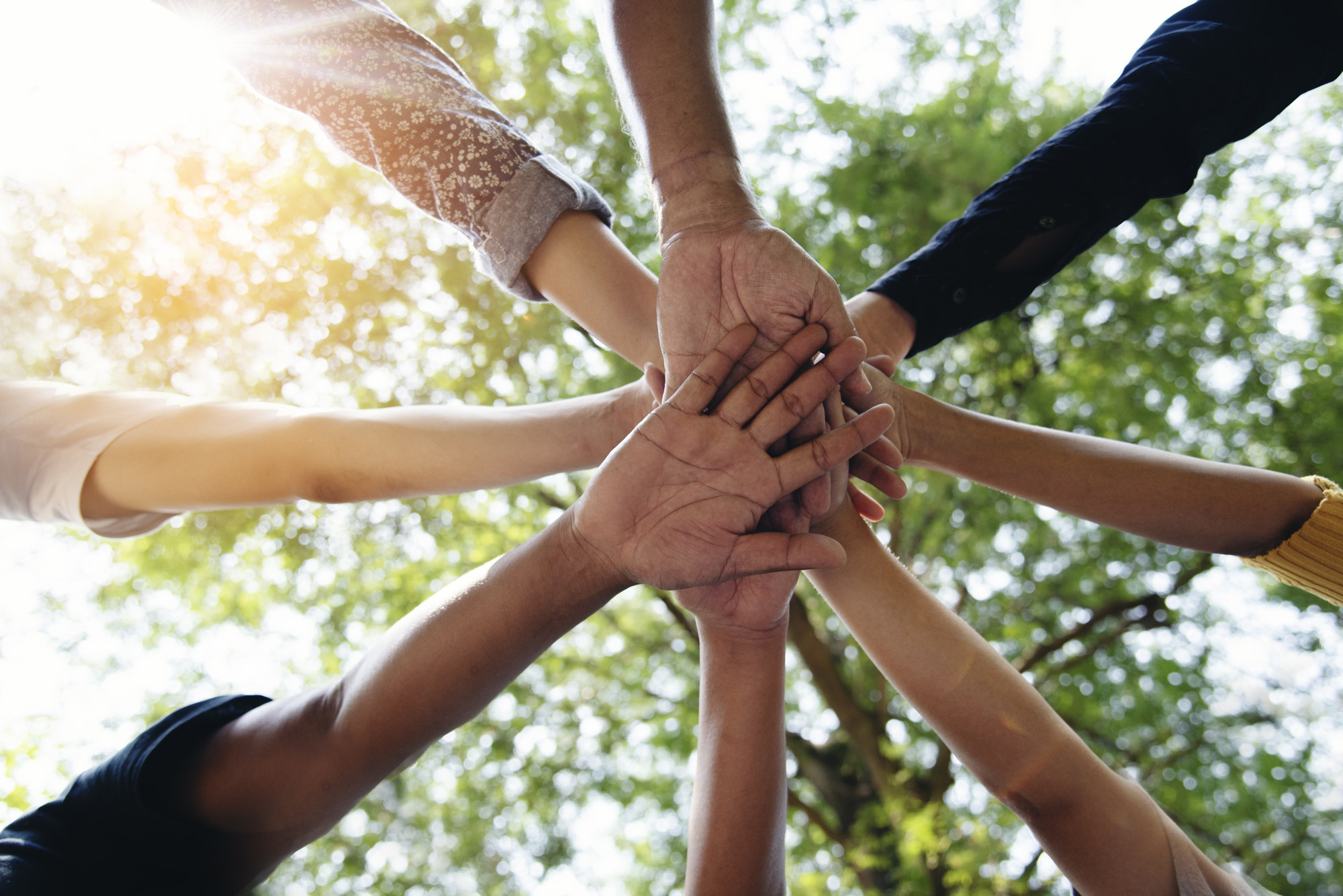
Das Engagement steht jedem offen, unabhängig von Alter, Hintergrund oder Fachwissen. Egal, ob Sie allein, mit Freunden, Ihrer Familie, Ihrer Schulklasse oder Ihrem Verein teilnehmen, Ihre Perspektive ist wichtig. Gemeinsam können wir die Wissenschaft offener, zugänglicher und relevanter machen. Damit aus Neugierde Taten und aus Ideen Veränderungen in Stadtvierteln, Schulen, Vereinen und Städten werden.
Was bedeutet Co-Creation?
Co-Creation bedeutet "gemeinsam schaffen". Bürger, Wissenschaftler, lokale Behörden und Organisationen arbeiten gleichberechtigt zusammen, wobei jeder seine eigene Perspektive einbringt. Die Wissenschaftler bringen ihr Fachwissen ein, die Bürger ihre Alltagserfahrungen, und die Organisationen kennen die praktischen Bedingungen.
Anders als bei der traditionellen Partizipation, bei der die Bürgerinnen und Bürger in der Regel erst am Ende zu Wort kommen, beginnt Co-Creation ganz am Anfang und bestimmt, welche Themen wichtig sind. Gemeinsam entwickeln die Teilnehmer Ideen, stellen Fragen, finden Antworten und setzen Lösungen um. Das Ergebnis: Projekte, die relevant, praktisch und wissenschaftlich fundiert sind.
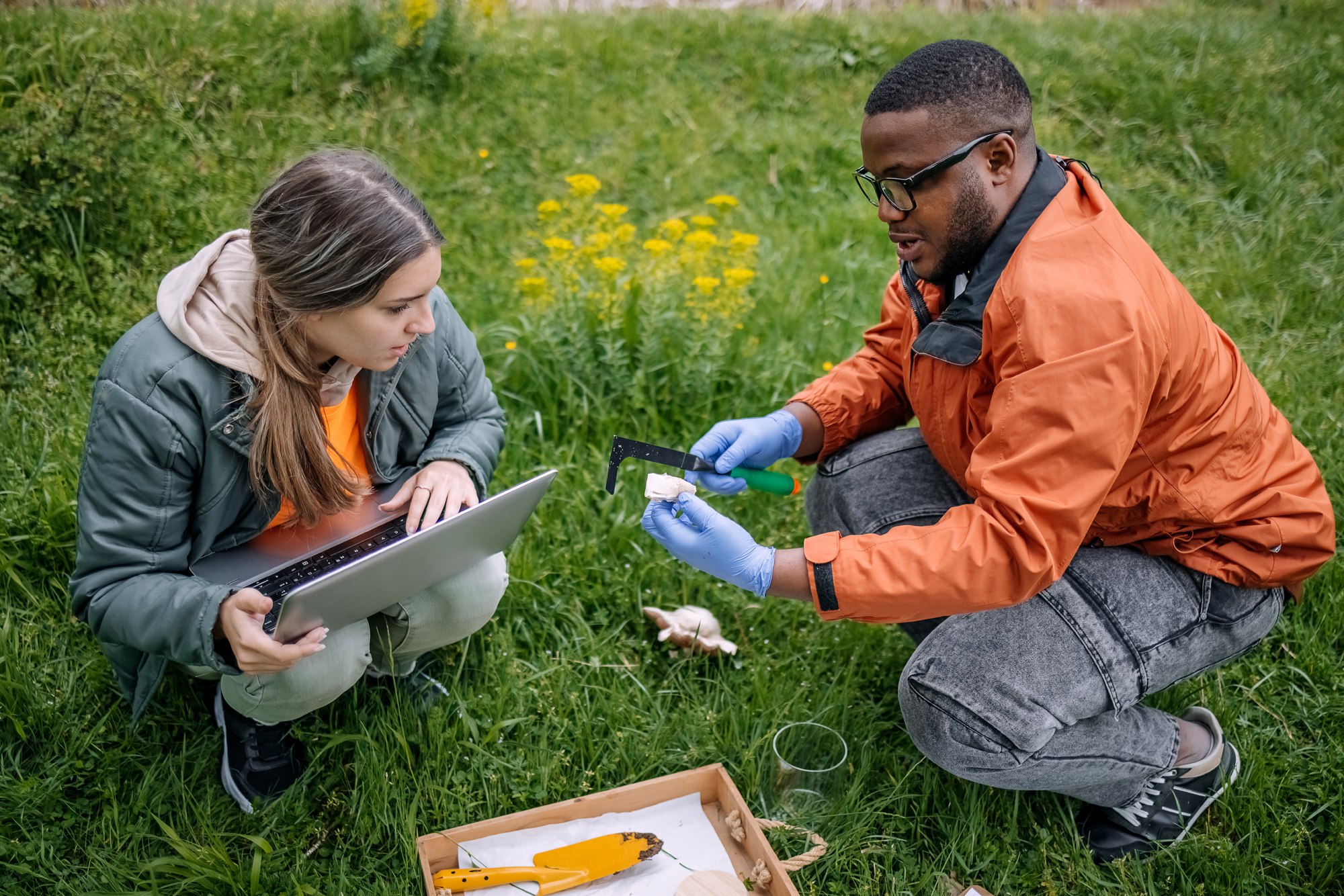
Co-Creation ist offen für alle, unabhängig von Alter, Hintergrund und Fachwissen. Es geht darum, Ergebnisse aktiv zu gestalten, Perspektiven zu bündeln und Lösungen zu schaffen, die wirklich etwas bewirken: in Nachbarschaften, Schulen, Vereinen oder ganzen Städten.
Co-Creation ist also mehr als nur ein Beteiligungsprozess. Sie ist ein Motor für Innovation, gelebte Demokratie und konkrete Veränderungen in den Lebenswelten der Menschen.
Besuchen Sie die lokalen Co-Creation-Websites, um sich der Bewegung anzuschließen!
Co-Creation bei Science Comes to Town
Das Co-Creation-Projekt ist Teil der EU-Initiative Science Comes to Town. In Kiel, Brest und Split sind die Bürgerinnen und Bürger eingeladen, ihre eigenen Forschungsprojekte zu Themen zu entwickeln, die sie in ihrem täglichen Leben beschäftigen. Dabei geht es nicht um komplizierte Laborexperimente, sondern um praktische Projekte, die die Wissenschaft mit dem lokalen Alltagsleben verbinden.
Ausgewählte Projekte erhalten:
- Preisgelder (bis zu 1.000 € pro Projekt)
- Anleitung durch Wissenschaftler, die als beratende Partner fungieren
- Öffentliche Sichtbarkeit durch Projektkommunikation
Unser Ziel: Wissenschaft greifbar und relevant machen, Bürger zu Forschern machen und Wissen schaffen, das den Städten unmittelbar zugute kommt.
What is mutual learning?
Mutual Learning, a Science Comes to Town initiative, is designed to bring together professionals and experts from across partner cities. These workshops create a collaborative environment where participants can exchange best practices, share experiences, and explore innovative approaches to topics of common interest.
Built around the principles of peer learning and co-creation, the workshops encourage participants to bring real challenges from their own institutions and cities. Through facilitated discussions, hands-on group work, and the sharing of practical expertise, participants work together to develop ideas, identify solutions, and gain new skills that can be applied and disseminated within their local contexts.
The programme also includes participant-led sessions offering opportunities for attendees to propose topics, showcase their own expertise, and explore emerging issues with their peers. Beyond the workshops themselves, the initiative aims to foster lasting connections and support the development of long-term communities of practice across Europe.
Four key themes for 2026
Together, these workshops strengthen collaboration, encourage innovation, and support the development of impactful science engagement activities.
Key principles
Peer exchange
Participants share their own experience and methods
Real challenges
Participants bring current science communication questions from their institutions
Hands-on work
Teams develop ideas and solutions together
Participant expertise
Short sessions contributed by participants themselves
The programme also allows space for participant-led sessions, similar to a light bar-camp format, where participants propose topics they would like to share or explore.
Train-the-trainer: taking the Science Show to the world
As part of the initiative “Science Comes to Town”, Kiel University (CAU) is offering an international Train-the-Trainer programme designed to extend the success story of the Science Show and provide fresh impetus for science communication. The aim is to prepare committed multipliers to bring the Science Show concept to their own cities and institutions – tailoring it to local contexts and target audiences.
Participants can look forward to a practical, modular training programme in 2026. Working within an international group, they will benefit from intensive professional exchange and a ‘wealth of experience’ that has been built up in Kiel over many years and further developed within the SEA-EU Alliance.
Certification
Upon successful completion of the programme, participants will be awarded an official certificate as a ‘Science Show Trainer’. This not only certifies the skills acquired but also makes participants active ambassadors for dynamic science communication.
The Train-the-Trainer programme represents a significant step toward the sustainable dissemination of the Science Show – and toward making science visible, understandable, and inspiring across Europe.
Research takes the stage
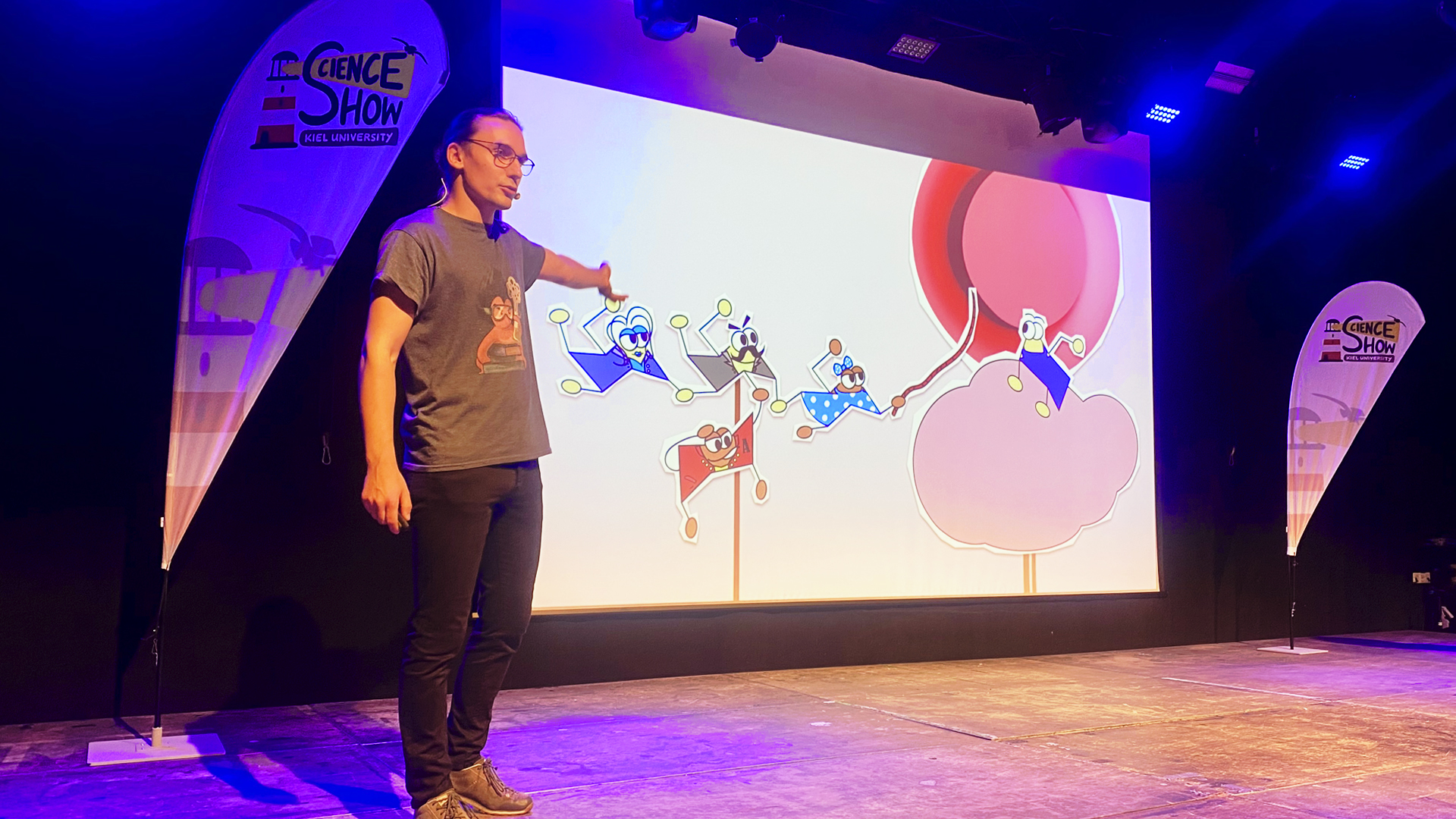
The Science Show at Kiel University brings current research to the stage – in a lively, accessible and engaging way. Young researchers share their work with a broad audience, bringing science to life outside the lecture hall.
Speakers also get the chance to build confidence and sharpen their own presentation style. They're coached by Ulf Evert and Katharine Simmons, who have spent years running practical presentation courses for students and doctoral candidates – preparing participants to communicate their research with clarity, enthusiasm and confidence on stage.
Science communication in action
More than an event – a platform for ideas, a training ground for talent, and a meeting place for science and the public.
Events in 2026
Women Science Show
5 March 2026 · Studio Filmtheater
Ocean Science Show
9 May 2026 · Segelcamp Kiel
Science Show at Kieler Woche
21 June 2026, 2:00 pm · Seeburg, Kiel
24 June 2026, 1:45 pm · Junge Bühne, Ratsdienergarten, Kiel
27 June 2026, 2:00 pm · Seeburg, Kiel (in English)
Science Comes to Town staff week
30 June – 2 July 2026 · Kiel
Science on the Beach
30 July 2026, 5:00 pm · Konzertmuschel, Laboe
Science Show @ EUCYS
23 September 2026 · CAU Kiel
Science Show @ Science Day
25 September 2026 · Pumpe
European Researchers' Night
25 September 2026 · Gdańsk
Science Show
31 October 2026 · Faro
Night of the profs
20 November 2026 · CAU Kiel
Science Show
20 November 2026 · Bodø
Science in Advent
December 2026 · Seeburg